Introduction
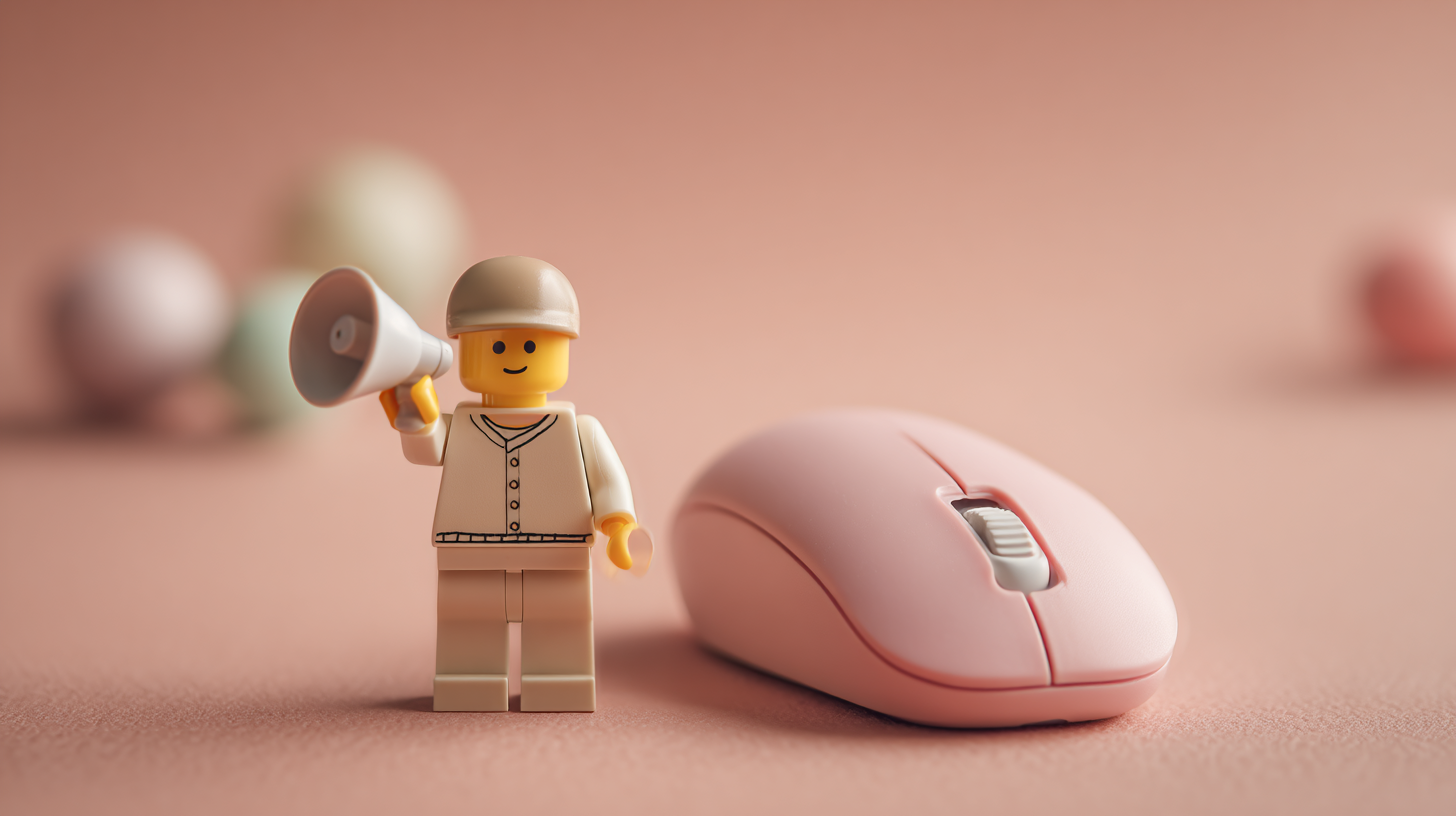
Minifig brand storytelling turns abstract services into something people can see and remember. Slip a single poseable figure into a pitch deck, a hero shot, or a social reel and the idea suddenly feels human. This article unpacks practical ways to use one ready-made minifig as a silent spokesperson, from the first investor slide to the final Instagram swipe. Along the way we keep cost low, fun high, and trademark hassles at zero.
Why small plastic beats big stock photos
A minifig is concise. It comes with implied character, color, and posture. When you pose it beside your product or process map, the viewer’s brain completes the story in milliseconds. That mental shortcut saves you copy space and presentation time. It also creates a memory hook stronger than yet another flat icon or stock-photo handshake.
Researchers at the University of Sussex found that adding tangible objects to a service pitch raised recall by thirty percent compared with text-only slides. You do not need a peer-reviewed paper to know it works, though. Think of the last time a tiny mascot on a shelf made you stop scrolling and smile.
Pick an archetype, not a licensed hero
Stay clear of trademarked names. Instead think archetypes: brave explorer, clever inventor, steadfast guardian, joyful sidekick. Choose figures whose torso prints and accessories hint at roles without spelling them out. A yellow jacket and wrench signal tech support. A silver helmet telegraphs space innovation. This keeps your visuals universal and safe for commercial use.
Color cues enhance clarity
Match the minifig’s dominant color to your brand palette. A blue-torso figure beside a teal software dashboard looks intentional, not random. If your color scheme is muted earth tones, pick tan and olive parts. The harmony ties disparate elements into one message and lifts brand recall.
Three slide tricks that work every time
1. Pain point visual
Pose the minifig struggling to hold a bulky object representing the client’s current problem: a tangled wire for disorganized data, an oversize clock for wasted hours. Snap the photo and drop it on your “challenge” slide. No words needed.
2. Transformation moment
Next slide, show the same figure relaxed, maybe sipping a mug or standing atop a neat stack of mini tiles. The contrast shows the benefit your service provides. Simple, quick, and surprisingly entertaining for boardrooms.
3. Process roadmap
Line up four copies of the same figure in different actions: pointing, typing, handing off, celebrating. Under each pose place one step of your workflow. People follow the sequence instinctively because the figure moves like a comic strip.
Minifig brand storytelling shines here because the consistent character links all steps.
Hero shots that sell without saying “buy now”
Landing pages need a focal point. Place your product front and center, then use a minifig to gesture toward the main feature: index finger on a tiny laptop screen, binoculars aiming at a bold KPI, toolbox open next to a progress bar. The figure gives scale, adds personality, and subtly invites curiosity.
Test layout A/B
Shoot one hero image with the figure and one without. Tools like Hotjar or Google Optimize will show you where visitors click and how long they linger. Most brands see a jump in dwell time when the figure appears. More time equals more chance to convert.
Sourcing quality figures
Avoid decaled or custom-printed pieces because ink masks scratch fast under studio lights. Stick with injection-molded torsos that hold up to repeated handling. Ready-made sets of superhero minifigs cost only a few dollars each and arrive fully assembled, so you can start shooting the same day they hit the mailbox.
Store them in a small divider box. Keep spare hands, heads, and props so you can swap expressions or tools as your narrative changes.
Quick pose kit
- Folded white foam board for background and bounce
- Two desk lamps with daylight bulbs
- Poster tack to fix feet
- Smartphone tripod for crisp focus
- Remote shutter or timer to prevent shake
With this kit you can build, shoot, and edit a minifig scene in under fifteen minutes. Batch five scenes and you have a month of LinkedIn posts ready to schedule.
Case study: SaaS onboarding deck
A startup selling automated contract reminders wanted a friendlier image. Their original deck was full of text and graphs. We added a single orange-helmet minifig. Slide one showed the figure buried under a pile of tiny paper scraps labeled “Due Yesterday.” Slide two had the same figure clicking a green tile marked “Sent.” Investors laughed, then asked deeper questions. Funding closed the next week. The deck looked more polished but cost under ten dollars to update.
Pitfalls and fixes
- Reflection glare – Dab a trace of cornstarch on glossy helmets to soften hotspots.
- Stiff poses – Turn the torso slightly and tilt the head. The small angles add life.
- Overcrowding – One figure per frame is enough. More can confuse the eye.
Extending minifig brand storytelling across channels
Blog headers
Shoot a wide banner with empty space on the right. Drop headline text there during layout. The figure anchors the left edge and draws readers in.
Social reels
Record a five-second stop-motion: figure walks in, places your logo tile, thumbs-up. Loop it. The simplicity beats overproduced CGI for charm.
Merch unboxing
Include the minifig in packing slips or welcome kits. Recipients photograph it, tag your brand, and multiply reach without extra ad spend.
Minifig brand storytelling scales because the same tiny actor works in video, stills, and live events. Each appearance reinforces familiarity.
Where I restock figures
I get mine from minifig.biz. Prices stay low, shipping is quick, and the catalog updates often enough that new archetypes appear before creative fatigue sets in.
Final thought
Communication fails when ideas feel distant. A poseable minifig bridges that gap. It makes your service tangible, sparks a grin, and buys you just enough attention to explain the real value. Try one on your next deck slide or product hero shot. Your audience will get the message before you say a word.
