
Introduction
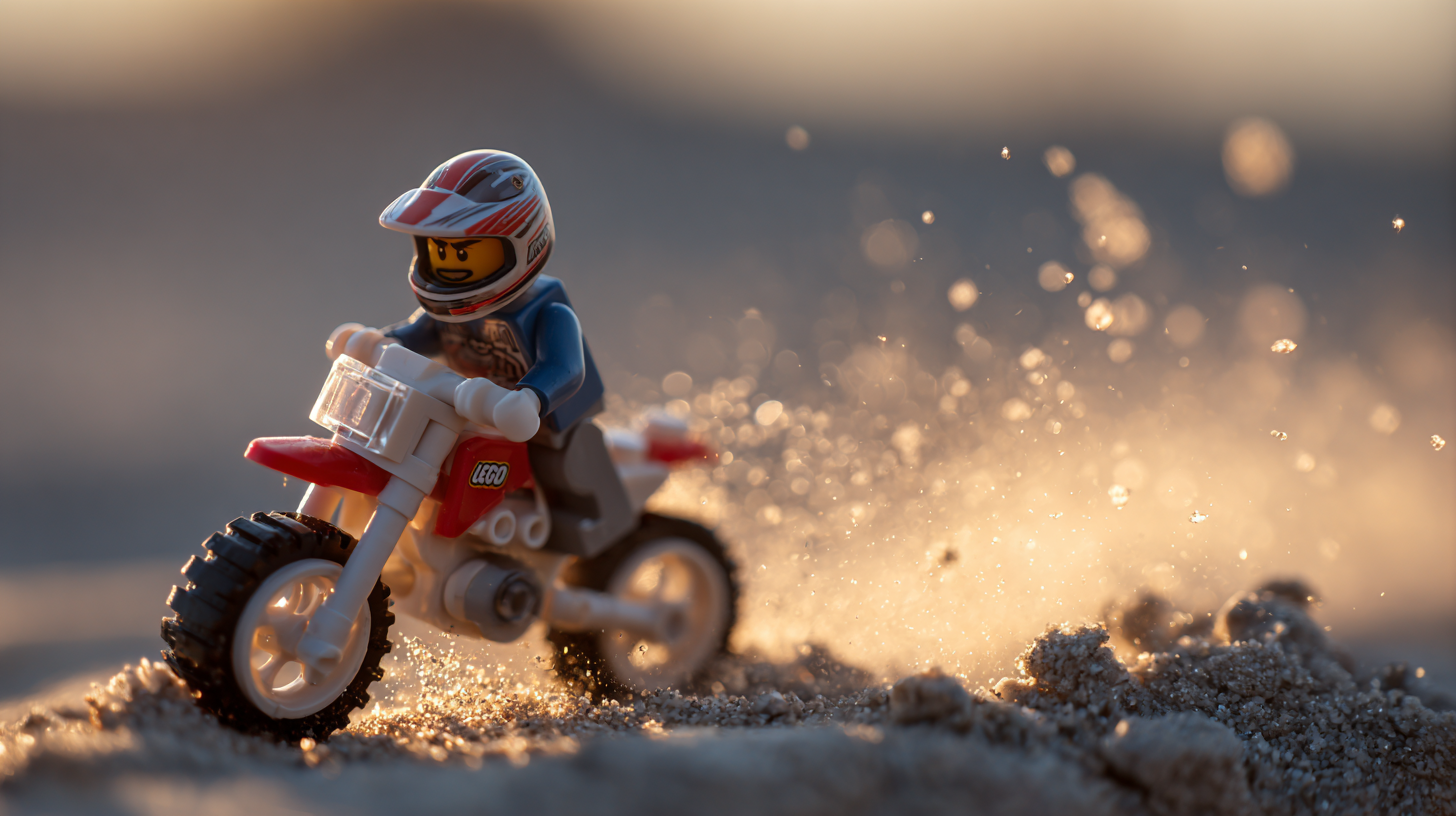
Tiny plastic people facing giant imaginary monsters look more interesting than another photo of your lunch. That is why macro photography with minifigs grabbed my attention a year ago. The subjects never blink, they hold any pose you want, and you can create a blockbuster scene on a sheet of printer paper. This guide walks through the whole process, from gear choice to final edit, with a focus on keeping things affordable and fun.
Why Minifigs Make Brilliant Models
Minifigs have bold shapes and simple colors that read well under close focus. They are also sturdy, so bumping the table will not knock an arm out of socket. Their size means a background made from household stuff looks like a sprawling landscape once you get the camera close. One coffee mug becomes a concrete silo. A patch of moss in the yard turns into an alien forest. That sense of scale shift is where the magic happens.
Picking an Entry Level 4K Camera
You do not need a flagship mirrorless beast. Any recent camera that shoots 4K video usually has a solid sensor and a decent still mode. Look for one with focus peaking so the tiny details snap into view when you twist the focus ring. A flip screen helps you avoid neck strain when the camera sits low to the ground. Lens choice matters more than the body, and most kit zooms have a short focus distance that works in a pinch. If your lens refuses to focus close enough, add a cheap extension tube and keep going.
Macro Gear You Already Own
Before shopping for a specialized macro lens, raid your junk drawer. A magnifying glass taped in front of the kit lens gives surprising results. Reversed lens adapters cost less than a pizza and turn an old fifty millimeter lens into a macro monster. A beanbag or folded towel works as a rock steady support when a tripod will not squeeze into the set. Reflective junk mail envelopes bounce light just as well as expensive silver cards. The point is to experiment rather than chase perfect specs.
Building Epic Action Scenes on a Kitchen Table
Start with a base. Foam board covered with dirt or colored sand feels like a real planet surface under shallow depth. Sprinkle baking soda for instant snow. For towering cliffs, stand up ripped cardboard and paint it dark. But keep the footprint small so you can reach in and tweak a pose without crushing the set. One trick I use is a sheet of black poster board behind everything. It hides the room and lets bright elements stand out.
Props elevate the story. A cotton ball teased apart turns into smoke from a recent blast. Fishing line suspends a minifig mid leap. Just remember the camera sees everything, so trim stray threads and watch for reflections in shiny helmets.
Light Is Everything
Natural window light is the simplest choice, but it often needs help. Place a white sheet opposite the window to soften harsh shadows. If the sun slips behind clouds, grab a desk lamp and aim it from the side rather than straight on. Color temperature can shift wildly between bulbs and daylight, so set a custom white balance or shoot in RAW and correct later.
Low angles add drama. Try sliding a phone torch along the table until you see long shadows stretching toward the lens. Backlight can add a glow around translucent pieces like energy swords. Play and notice how each move changes the mood.
Camera Settings That Work Every Time
Shoot manual so nothing shifts on its own. Aperture around f eight gives enough depth for an entire minifig head, yet still leaves the background pleasantly soft. Keep ISO low for clean files, then adjust shutter speed until the exposure looks right. Because the scene is static, use a two second timer or a remote trigger to dodge camera shake.
Focus manually using magnification on the screen. Lock onto the eyes if your figure has printed pupils, or the edge of a helmet if not. A slight focus pull after each click creates a stack you can blend in software for extreme depth, but even a single crisp frame often looks great.
Post Processing to Make Scenes Pop
Open the RAW file and fix exposure first. Lift shadows if you want more detail in dark armor, or crush them for a comic mood. Boost contrast gently so plastic still looks like plastic. Color grading ties everything together. A cool blue tint suggests night on a distant moon, while warm amber hints at a desert at sunset. Remove dust spots with a healing brush. If fishing line shows, clone it out or paint over it. Sharpen at the end, keeping an eye on the edges so they do not look jagged.
Where to Find Unique Minifigs
I get mine from minifig.biz. They always seem to have odd space explorers and fantasy warriors that never show up in local toy aisles, and new waves drop often enough that my backlog of photo ideas keeps growing.
Troubleshooting Common Frustrations
Pictures look soft even after careful focus? Check for motion blur. Ramp up shutter speed and add more light. Parts of the scene appear bright white with no detail? Dial back exposure or use a polarizing filter to tame reflections. Background feels cramped? Pull the set farther from the backdrop so blur can do its job. Remember, every hiccup is an invitation to tinker.
Adding Motion Without Moving Parts
Still frames feel alive when you imply motion. Angle the figure forward with one foot off the surface. Drag cotton or plastic wrap in front of the lens during the exposure for streaks that look like smoke trails. A tiny LED aimed at the camera can create sci fi lens flares. Just keep the effect subtle so the subject stays clear.
Using Video Mode for Smooth Focus Pulls
If your camera can record 4K video, shoot a short clip and pull focus from foreground to background. Later, scrub through the footage and grab still frames at the exact moment the focus hits. This trick saves time compared to stacking dozens of stills. It also gives a bonus behind the scenes reel to share.
Sharing Your Work
Social platforms love sharp details and bright colors. Post a single finished shot first, then follow with a slide showing the messy desk and lamp rig. Viewers enjoy the reveal. Tag the camera brand and any prop makers so your post finds the right hobby circles. Engage with comments, because advice often flows both ways. Someone may suggest a lighting tweak that unlocks the next level.
If You Need Fresh Inspiration
One night my brain stalled. I had the set, the light, the camera, but no story. In frustration I grabbed a notebook and listed favorite movie tropes. Hero faces monster, escape pod launch, midnight duel. Pick one, drop a figure on the table, and let the scene build itself. Sometimes all you need is a starting point.
Conclusion
If a shelf of neglected minifigs is gathering dust, give them a shot at stardom. A simple camera, creative lighting, and a willingness to kneel on the kitchen floor can turn plastic into something cinematic. Anyone curious about expanding their roster of characters will likely find what they need at minifig.biz and once you start seeing tiny adventures through a macro lens it is hard to stop.
